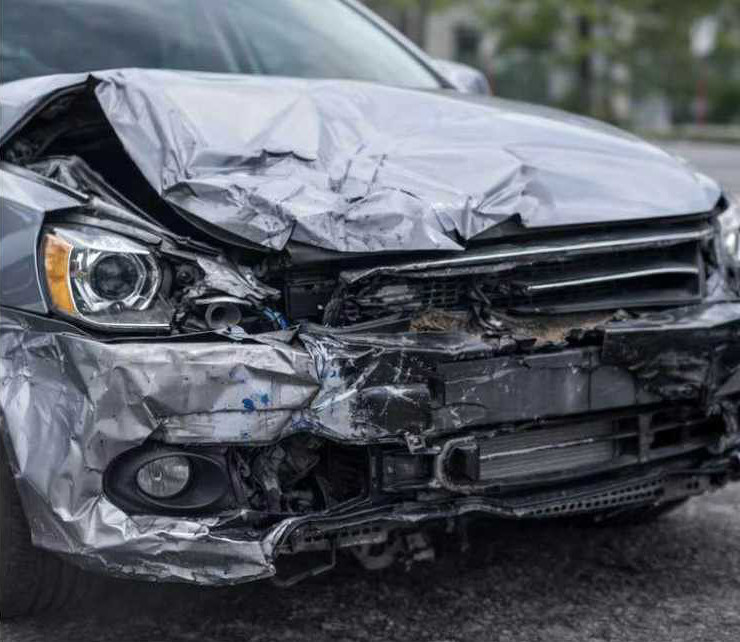
A car accident can leave you dealing with anything from a scraped bumper to significant body damage. What you see on the outside, however, doesn’t always tell the whole story. Even a minor collision can damage components hidden behind body panels or affect your vehicle’s alignment and safety systems.
Professional collision repair addresses the damage caused by an accident and helps restore your vehicle’s appearance, function, and structural integrity. Understanding the repair process can help you make informed decisions about your vehicle and know what to expect along the way.
Key Takeaways
- Hidden damage matters. A collision can affect structural components, suspension parts, sensors, and other systems that aren’t immediately visible.
- The right equipment makes a difference. Specialized measuring tools, frame repair equipment, and paint-matching technology help technicians complete repairs according to the vehicle’s requirements.
- Choose a shop that communicates clearly. Look for a repair team that explains its findings, provides a written estimate, and keeps you informed if additional damage is discovered.
Why Collision Repair Involves More Than Fixing Dents
A dented door or damaged bumper may be the most obvious sign of an accident, but the underlying damage can be more extensive.
Depending on the severity and location of the impact, a collision may affect the vehicle’s frame or unibody structure, suspension, lighting, or electronic safety systems. These components need appropriate attention before the repair can be considered complete.
For example, if your vehicle starts pulling to one side after an accident, the cause could involve wheel alignment, suspension damage, or another problem that needs investigation. Simply repairing the damaged body panel wouldn’t resolve the underlying issue.
A thorough damage assessment helps identify the repairs needed to address both visible damage and problems that could otherwise go unnoticed.
Structural Damage and Vehicle Safety
Your vehicle’s structure is designed to help manage the forces involved in a collision. When structural components are damaged, they may not perform as intended in another accident.
Modern vehicles also rely on sensors, cameras, and other electronic systems to support features such as automatic emergency braking and lane departure warnings. Depending on the collision, these systems may need inspection, testing, or calibration.
Professional collision repair takes these factors into account rather than focusing solely on the vehicle’s appearance.
Common Collision Repair Services
The repairs your vehicle needs depend on the type of accident and the extent of the damage.
Common collision repair services include:
- Dent and body panel repair: Repairing or replacing damaged doors, fenders, hoods, and other panels.
- Bumper repair and replacement: Addressing damaged bumper covers and related components.
- Structural repair: Correcting eligible frame or unibody damage according to the vehicle manufacturer’s repair procedures.
- Paint refinishing: Preparing and repainting repaired areas to achieve a consistent finish.
- Parts replacement: Replacing components that cannot be properly repaired.
- Damage inspection: Checking for hidden damage that may require additional work.
Before repairs begin, ask the shop to explain what was damaged, which repairs are recommended, and whether any safety-related components need further inspection.
How Repair Equipment and Technology Make a Difference
Today’s vehicles often require specialized tools and repair procedures. The equipment used during the repair process helps technicians assess damage, restore alignment, and achieve a professional finish.
Frame Measuring and Straightening Equipment
When a collision affects the vehicle’s frame or unibody structure, technicians need to determine how far the damaged areas have shifted from their specified positions.
Specialized measuring systems help identify these changes. When structural straightening is appropriate, dedicated equipment allows technicians to make controlled corrections and recheck measurements throughout the process.
Not every damaged component can be straightened. Some parts must be replaced, depending on the type of damage and the manufacturer’s repair guidelines.
The goal is to restore the structure to the required specifications, not simply make it look straight.
Computerized Paint Matching
Matching a repaired panel to the surrounding paint can be challenging. Even small differences in color or finish may become noticeable under direct sunlight or different lighting conditions.
Computerized paint-matching tools help technicians identify a suitable color formula for your vehicle. The painter then prepares the surface, applies the finish, and blends the repair as appropriate.
Proper preparation and application are just as important as choosing the correct color. When completed carefully, the refinished area should blend as closely as possible with the surrounding panels.
| Technology | What It Does | What to Ask the Repair Shop |
|---|---|---|
| Frame measuring equipment | Identifies changes in structural alignment | How will you verify the structure meets the required specifications? |
| Frame straightening equipment | Corrects eligible structural damage | Will the damaged components be repaired or replaced? |
| Computerized paint matching | Helps identify the appropriate paint color | How will you check the color match and finish? |
| Diagnostic equipment | Helps identify problems with electronic vehicle systems | Will affected safety systems need testing or calibration? |
How to Choose an Auto Body Repair Shop
Choosing a collision repair shop is about more than finding someone who can remove a dent. You want a team that understands the damage, explains the repair process, and keeps you informed while your vehicle is being repaired.
Before making a decision, consider the following.
Ask How the Damage Will Be Assessed
A reliable repair process begins with a thorough inspection. Ask how the shop checks for hidden damage and what happens if additional problems are discovered after damaged panels are removed.
This is particularly important after harder impacts, when the visible damage may not reflect the full extent of the repairs needed.
Request a Written Estimate
A written estimate helps you understand the anticipated cost and scope of the work. It should identify the proposed repairs, parts, and labor as applicable.
Keep in mind that the initial estimate may change if technicians discover additional damage during disassembly. Ask how the shop will communicate those findings and obtain authorization for additional work.
Look for Clear Communication
You shouldn’t have to guess what’s happening with your vehicle.
Ask how the shop provides progress updates, who you should contact with questions, and how changes to the repair plan will be handled.
A shop that takes time to explain the process can make an already stressful situation easier to manage.
Confirm the Shop Can Handle Your Vehicle’s Needs
Collision damage varies considerably. Some repairs involve replacing a bumper or refinishing a door, while others require structural work or attention to electronic safety systems.
Ask whether the shop has the equipment, training, and repair capabilities needed for your particular vehicle and the damage it sustained.
Before authorizing repairs, make sure you understand the proposed work, the estimated cost, and how additional damage or expenses will be handled.
What to Do After a Collision
After an accident, it’s easy to feel overwhelmed by insurance paperwork and decisions about repairs. Taking a few practical steps can help you get organized.
| Next Step | What You Should Do |
|---|---|
| Document the damage | If it’s safe, photograph dents, broken lights, damaged panels, and other visible problems. |
| Contact your insurer | Ask about your coverage, deductible, claim requirements, and next steps. |
| Request a repair estimate | Arrange an inspection with a collision repair shop to assess the damage. |
| Review the proposed repairs | Ask questions about the work, anticipated costs, and repair timeline before authorizing it. |
You can contact a repair shop to discuss your options while working through your insurance claim. Ask your insurer about any applicable requirements, and confirm how the estimate and repair authorization will be handled.
If additional damage is discovered during repairs, the shop may need to update the estimate and coordinate with your insurer before proceeding.
Is It Safe to Drive Your Vehicle After an Accident?
That depends on the damage.
A minor cosmetic issue may not prevent you from driving, but damage affecting the steering, brakes, tires, lights, or vehicle structure can make driving unsafe. Warning lights or damage to certain safety systems may also require prompt attention.
If you’re unsure whether your vehicle is safe to operate, have a qualified professional assess it. Arrange a tow if the damage could make driving dangerous.
Collision Repair FAQs
How Much Does Collision Repair Cost?
The cost depends on several factors, including the extent of the damage, your vehicle’s make and model, the parts required, and the labor involved.
A damaged bumper may require relatively straightforward repairs, while a collision that affects structural components or electronic systems can involve more extensive work.
A repair shop can provide an estimate after inspecting your vehicle. If additional damage is found during disassembly, the cost may change. Ask how those changes will be explained and approved.
How Long Does Collision Repair Take?
Repair times vary depending on the damage, parts availability, shop workload, and procedures required.
A minor body repair may take considerably less time than a repair involving structural straightening, replacement parts, paint refinishing, or electronic system calibration.
Ask the shop for an estimated completion date and how it will keep you informed if the schedule changes.
Can I Drive My Car If It Has Collision Damage?
Possibly, but only if the vehicle remains safe and roadworthy.
Damage to the steering, brakes, tires, lights, or structural components can make driving dangerous. If you notice handling problems, leaking fluids, warning lights, or other concerning symptoms after an accident, don’t assume the vehicle is safe just because it starts and moves.
When in doubt, arrange an inspection before driving.
Will My Insurance Cover Collision Repairs?
Coverage depends on your policy, the circumstances of the accident, and the terms of your claim.
Contact your insurance company to understand your coverage, deductible, and any applicable repair requirements. You can also ask the body shop how it handles estimates and communicates with insurance companies.
Before authorizing work, make sure you understand your financial responsibilities and how the claim will be handled.
Get Your Vehicle Back in Shape With Professional Collision Repair
An accident can disrupt your routine, damage your vehicle, and leave you with questions about what needs to happen next. Having a clear repair plan and a shop that communicates well can make the process easier.
At our body shop, the goal is to help you understand your vehicle’s damage and the repairs needed to address it. From body panel damage and paint refinishing to more extensive collision repairs, the right approach starts with a proper assessment.
If your vehicle has been involved in an accident, contact our body shop to discuss your repair needs and request an estimate.
Getting the damage assessed is the first step toward restoring your vehicle and getting back on the road.
Leave a Reply